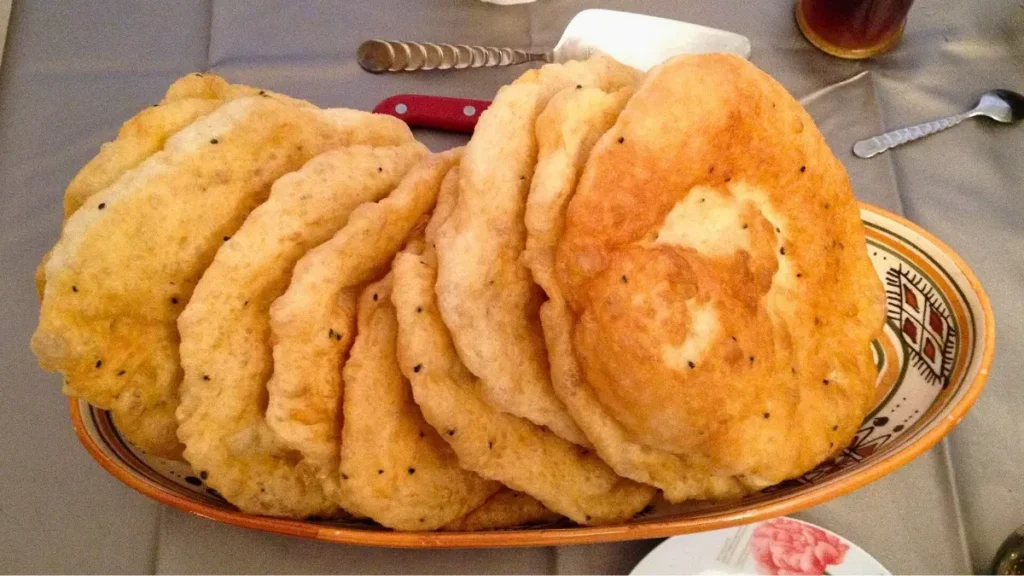
If you have ever visited North Africa or stepped into a traditional Algerian home during breakfast or afternoon tea time, you have likely encountered the irresistible aroma of freshly fried dough. Among the most cherished traditional treats is the Authentic Algerian Khfaf Recipe, also known across various regions as Sfenj or Khfaf Kabyle. These golden, airy, and wonderfully crispy fried donuts hold a deeply rooted place in Algerian culinary tradition, offering a golden crust with a light, pillowy center that melts in your mouth.
Traditional North African bakeries and home kitchens have perfected the art of leavened fried dough for generations. You can read more about the historical significance and cultural evolution of Sfenj and traditional fried dough pastries in North African cuisine to understand how this humble street food became a deeply loved household staple.
What is the Authentic Algerian Khfaf Recipe?
This traditional fried bread relies on basic, wholesome kitchen staples: fine semolina, all-purpose flour, instant yeast, warm water, and a pinch of salt. Unlike Western donuts, which are often heavily sweetened or dense with milk and butter, Khfaf gets its rich texture and signature large air pockets strictly through proper dough hydration, thorough kneading, and a gentle fermentation process. In the Kabylie region, black seeds (nigella seeds) are traditionally folded into the dough, giving it a distinctive aromatic bite and beautiful visual appeal.
When fried in hot vegetable oil, the wet dough inflates rapidly, creating giant air pockets that leave the interior light and spongy while the outer skin turns crisp and golden brown. Serving them warm with a drizzle of natural honey or alongside a steaming cup of fresh mint tea or strong morning coffee creates a comfort food experience like no other.
Ingredients for the Authentic Algerian Khfaf Recipe
To prepare this classic Kabyle delicacy in your own kitchen, gather the following simple staples:
- Fine Semolina: 2 cups (fine durum semolina gives the best traditional texture).
- All-Purpose Flour: 2 cups (unbleached flour works exceptionally well).
- Instant Dry Yeast: 1 tablespoon (ensures a quick and reliable rise).
- Sugar: 1 tablespoon (feeds the yeast and helps with golden browning).
- Salt: 1.5 teaspoons (balances the overall flavor of the dough).
- Nigella Seeds: 1 tablespoon (black seeds for authentic Kabyle style).
- Warm Water: 1.5 to 2 cups (added gradually to achieve a high-hydration dough).
- Vegetable Oil: Neutral oil for deep frying and greasing your hands during shaping.
Step-by-Step Preparation Method
Follow these classic technique steps to achieve perfectly puffed and light golden donuts every single time:
- Combine Dry Ingredients: In a large mixing bowl, mix together the fine semolina, flour, instant yeast, granulated sugar, salt, and nigella seeds.
- Form the Wet Dough: Slowly pour in warm water while mixing with your hand or a stand mixer until a very soft, sticky dough begins to form.
- Knead and Hydrate: Knead and slap the wet dough vigorously for 8 to 10 minutes. Gradually splash small amounts of warm water into the bowl as you work it to keep it soft and pliable.
- Proofing: Cover the bowl with a clean kitchen towel and let the dough rest in a warm area for about 1 hour, or until it doubles in size and shows visible air bubbles on top.
- Heat the Oil: Pour about 2 inches of vegetable oil into a deep pan and heat over medium-high heat.
- Shape the Portion: Generously oil your hands. Grab a small portion of dough (about the size of a small orange), roll it into a ball, and gently stretch it outward from the center to create a thin, flat disc.
- Fry and Splash: Carefully lower the stretched dough into the hot oil. Immediately use a spoon to continuously splash hot oil over the top surface until it balloons up and inflates completely.
- Golden Finish: Fry for 1 to 2 minutes per side until golden brown and crispy. Drain on paper towels and serve warm with honey, sugar, or fresh tea.
Key Tips for Perfecting Your Authentic Algerian Khfaf Recipe
To ensure your homemade pastries achieve that coveted light and airy interior, keep these essential kitchen techniques in mind during preparation:
- High Dough Hydration: The secret to light dough lies in adding water gradually while beating the dough. The finished mixture should remain very soft, sticky, and highly pliable.
- Patience with Fermentation: Allow the dough ample time to rise in a warm spot until it doubles in volume and shows visible air bubbles across the entire surface.
- Oil Technique During Frying: As soon as the shaped piece hits the hot frying oil, continuously splash hot oil over the top using a metal spoon. This rapid heating causes the dough to balloon up immediately.
- Oil-Coated Hands: Because this wet dough is naturally sticky, always grease your palms thoroughly with vegetable oil before handling and shaping each portioned ball.
Cultural Celebrations and the Authentic Algerian Khfaf Recipe
In Algerian tradition, this dish is far more than just a quick tea snack; it is a warm symbol of hospitality, family unity, and joy. It is frequently prepared during special cultural occasions such as Yennayer (the Berber New Year), family gatherings, religious celebrations, or when welcoming a newborn baby into the household. Preparing this treat at home brings the authentic comforting flavors of a traditional North African kitchen directly to your table, whether you are trying it for the first time or recreating cherished childhood memories.
Serving Suggestions and Dips
While these fried treats are delicious straight out of the pan, classic serving pairings enhance their rich texture:
- Honey and Butter: Warm natural honey drizzled generously over fresh dough, or a simple dusting of fine granulated sugar while still hot.
- Savory Style: Enjoying them plain with a small pinch of salt alongside a hot glass of sweet mint tea.
- Morning Breakfast Pairing: Dip warm pieces into traditional Algerian milk coffee for an iconic North African breakfast experience.
Frequently Asked Questions
Can I make this dish using only all-purpose flour?
Yes, while traditional recipes combine fine durum semolina with flour for structural texture, an all-flour mix works very well and yields extremely soft, pillowy results.
Why did my dough turn out dense instead of fluffy?
Dense results usually stem from under-hydration (adding too little water) or insufficient proofing time. Ensure your dough remains sticky and rises completely before frying.
Explore More Algerian Food Classics
If you enjoyed mastering the Authentic Algerian Khfaf Recipe, expand your North African baking and cooking repertoire with these other traditional recipes from our blog:
- Discover the secrets to soft, pan-cooked semolina bread with our Algerian Khobz Ed-Dar Recipe.
- Learn how to make famous thousand-hole pancakes using our Authentic Algerian Baghrir Recipe.
- Try another classic Berber favorite with our step-by-step Authentic Algerian Mahjouba Recipe.
- Satisfy your sweet tooth after dinner with our creamy Authentic Algerian Mahalabiya for Night Desserts.
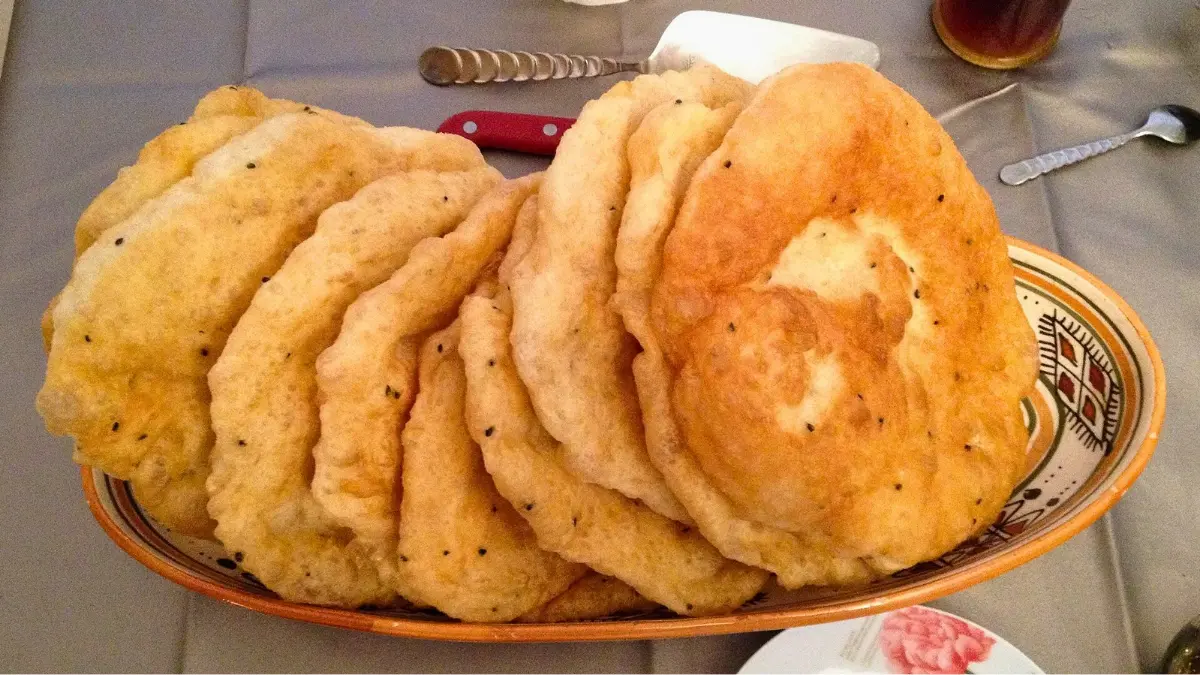

Authentic Algerian Khfaf Recipe (Kabyle Sfenj)
Ingredients
Method
- In a large mixing bowl, combine fine semolina, flour, instant yeast, sugar, salt, and nigella seeds.
- Slowly add warm water while mixing with your hands or a stand mixer until a soft, sticky dough forms.
- Knead and beat the dough vigorously for 8–10 minutes, gradually adding small splashes of water to keep it soft and high-hydration.
- Cover the dough and let it rest in a warm place for about 1 hour until doubled in size and full of air bubbles.
- Heat 2 inches of vegetable oil in a deep frying pan over medium-high heat.
- Generously oil your hands, grab a portion of dough (about the size of an orange), smooth it into a ball, and stretch it out from the center to form a large round flat disk.
- Gently place the stretched dough into the hot oil. Immediately spoon hot oil continuously over the top until it inflates.
- Fry for 1–2 minutes on each side until golden brown and crispy.
- Remove from oil and drain on paper towels. Serve warm with honey or sugar alongside mint tea.