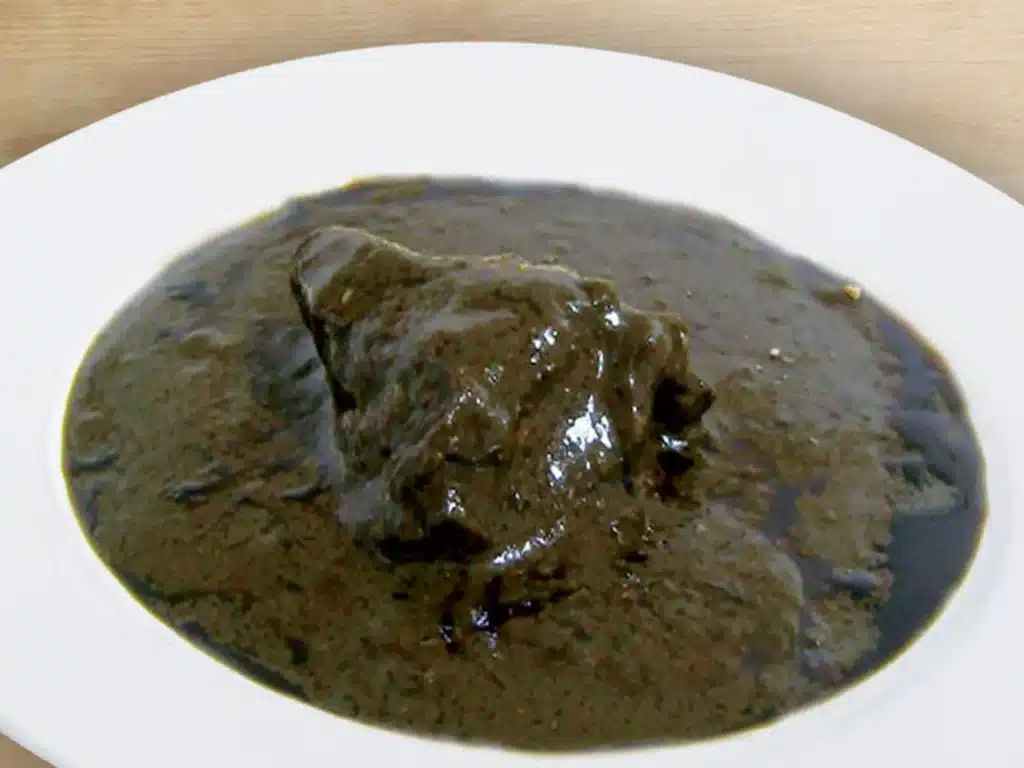
If you are exploring the rich culinary heritage of North Africa, you must try this Authentic Algerian Mloukhia Recipe.
Deeply rooted in the food culture of Eastern Algeria—specifically in cities like Annaba, Guelma, and Souk Ahras—this unique dish is unlike anything else in world cuisine. Known for its velvety texture, deep green color, and intense garlic aroma, it is a celebratory meal usually prepared for special occasions, Islamic New Year, or family gatherings. Mastering this specific recipe requires patience, but the final flavor profile is an absolute masterpiece for food lovers.
The Cultural Importance of Authentic Algerian Mloukhia recipe
Mloukhia (also spelled Molokhia or Mulukhiyah) is made from the dried and finely ground leaves of the jute plant (Corchorus olitorius). While Middle Eastern versions in Egypt or the Levant use fresh or frozen chopped leaves to create a lighter soup, the authentic Algerian Mloukhia Recipe relies exclusively on the dark green powder. This powder is painstakingly dissolved in high-quality olive oil before any liquid is added. Historically, this meal represents prosperity and good fortune due to its rich green color.
Today, as Mediterranean diets and authentic Algerian cuisine gain global popularity, studying the benefits of the jute plant (Corchorus olitorius) shows why this dish stands out as a nutrient-dense powerhouse rich in iron, potassium, and vitamins.
Ingredients You Will Need for the Authentic Algerian Mloukhia Recipe:
To achieve the perfect results, you must source high-quality ingredients. Here is what you need:
- Mloukhia Powder: 100 grams of finely ground dried jute leaves.
- Meat: 500 grams of beef or lamb chunks (preferably with some fat or bone-in for a richer broth).
- Oil: 1 large cup (around 200ml) of extra virgin olive oil or a mix of olive and vegetable oil.
- Garlic: 1 whole head of garlic, peeled and thoroughly crushed (this is the backbone of the flavor).
- Onion: 1 very small onion, finely grated (traditionalists debate this, but it adds subtle sweetness).
- Tomato: 1 medium ripe tomato, pureed, plus 1 tablespoon of concentrated tomato paste.
- Spices: 1 teaspoon of salt, 1 teaspoon of black pepper, 1.5 teaspoons of ground coriander and caraway mix (locally known as Tabil wa Karouia), and a pinch of chili flakes or cayenne pepper for a subtle kick.
- Water: 1.5 to 2 liters of boiling hot water.
Authentic Algerian Mloukhia Recipe Step-by-Step Cooking Instructions
1. Dissolving the Powder (The Foundation)
In a heavy-bottomed pot or a pressure cooker, pour the ground jute powder. Gradually add the olive oil while stirring continuously with a wooden spoon. You must mix until the powder completely dissolves into a smooth, shiny, and liquid paste with no lumps. This step is crucial to prevent the stew from burning later.
2. Searing the Meat and Aromatics
Push the oil-jute paste slightly to the side of the pot or add your seasoned meat directly into the center. Add the crushed garlic, pureed tomato, tomato paste, grated onion, and all the spices (salt, black pepper, and the coriander-caraway blend). Turn the heat to very low and gently sear the meat for about 5 minutes so it absorbs the intense aromatic flavors.
3. The Boiling Water Technique
Once the meat is aromatic, carefully pour the boiling hot water into the pot. You must use boiling water; cold water will shock the oil mixture and ruin the texture. Stir the pot thoroughly to ensure the oil-jute paste merges perfectly with the water, creating a uniform, dark green liquid.
4. The Art of Slow Cooking
Cover your pot and lower the heat to the absolute minimum setting. The secret to a successful cooking process is time. It needs to simmer slowly for 2.5 to 3 hours (or about 1 hour and 15 minutes if using a modern pressure cooker). Stir the bottom of the pot every 20 minutes to ensure the heavy paste does not stick or burn.
How to Know Your Authentic Algerian Mloukhia Recipe
You will know the dish is perfectly cooked when a thick layer of dark green oil completely rises to the surface of the stew.
In Algerian culinary terms, this phenomenon is called “Tala’at Zithâ” (the oil has risen). The liquid underneath will transform into a thick, smooth, and velvety gravy, and the beef will be meltingly tender.
Conclusion
Mastering Authentic Algerian Mloukhia Recipe requires time and patience, but the deep, velvety flavor is completely worth the wait. Rich in heritage and warmth, this iconic Eastern Algerian dish brings family together around the dining table. Serve it hot with freshly baked semolina bread, and enjoy a true culinary masterpiece!
If you enjoyed this recipe and want to complete your traditional Algerian table, be sure to check out these delicious ideas:
- Algerian Khobz Ed-Dar Recipe: The perfect home made semolina bread to scoop up your Mloukhia.
- Authentic Algerian Tajine Mtewem Recipe: A rich garlic and meatball stew for special occasions.
- Authentic Algerian Mahjouba Recipe: Delicious flaky flatbread stuffed with savory filling.
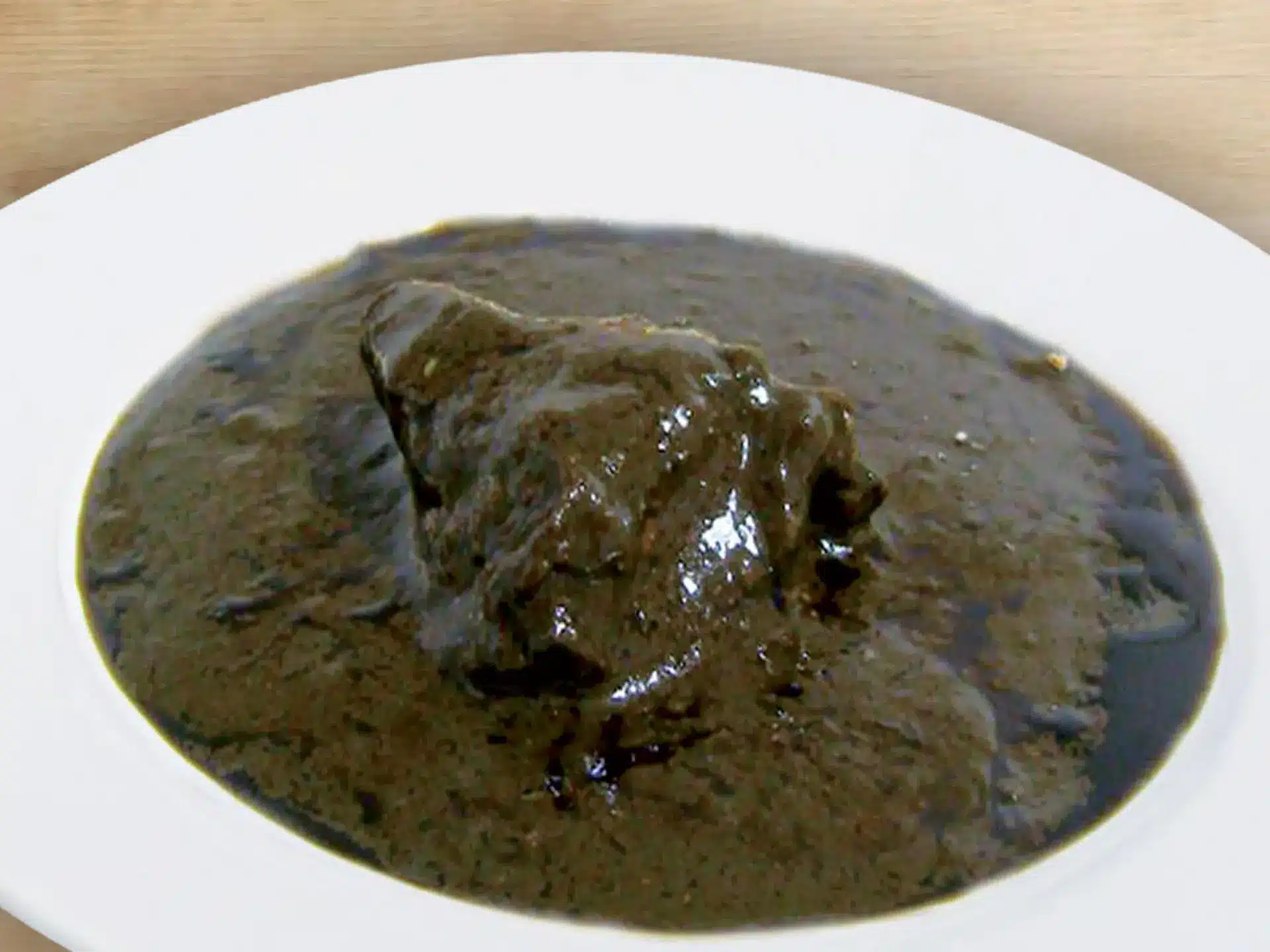

Authentic Algerian Mloukhiya Recipe
Ingredients
Method
- Mix the Molokhia Base: In a deep heavy pot, combine the powdered Molokhia with oil cold. Stir well with a wooden spoon until it forms a smooth, dark green paste with no lumps.
- Cook the Molokhia Base: Place the pot over low heat and gently sauté the oil-molokhia mixture for 3-5 minutes, stirring constantly (do not let it burn).
- Add Boiling Water: Carefully pour boiling water into the pot while stirring vigorously. The mixture will swell and darken. Let it simmer gently on low heat for 30 minutes.
- Season and Add Meat: In a separate bowl, marinate the meat chunks with minced onion, crushed garlic, tomato paste, caraway, coriander, harissa, salt, and black pepper. Add the seasoned meat and bay leaves into the simmering Molokhia pot.
- Slow Simmer & Finish: Cover and simmer on very low heat for 1.5 to 2 hours, stirring occasionally. The Mloukhiya is completely cooked when a shiny layer of oil separates and rises to the very top. Serve hot with fresh Algerian Matlouh bread.